
Menopause and Gout, Explained by a Rheumatologist
A rheumatologist explains the link between menopause and gout, why it’s so often missed in women, and what to ask your doctor about your uric acid.
Understanding the connection between menopause, uric acid (urate), and gout risk
For many women, a diagnosis of gout comes as a surprise.
After all, gout has historically been viewed as a condition that primarily affects men. As a result, women experiencing joint pain, swelling, and inflammation especially during or after menopause often do not initially consider gout as a possible cause. In some cases, healthcare providers may not immediately suspect it either. Yet we now know that menopause is an important factor influencing a woman’s risk of developing gout later in life.
Understanding the relationship between menopause and gout can help women recognize symptoms sooner, pursue an accurate diagnosis, and begin appropriate treatment to relieve pain and prevent disease progression.
Is Gout Really a Man’s Disease?
Although gout is more common in men, it is certainly not limited to men.
Men typically develop gout between the ages of 30 and 50. Women, however, are more likely to experience their first gout flare after menopause. This difference in timing contributed to the long-standing perception that gout is primarily a male disease. We now recognize that many women develop gout later in life, particularly after menopause-related hormonal changes occur.
This misconception can have significant consequences for diagnosis and treatment. When gout is not considered as a possibility, symptoms may instead be attributed to osteoarthritis, aging, injury, or other forms of arthritis. Delays in diagnosis can allow elevated uric acid (also called urate) levels and crystal deposits to persist unchecked, increasing the likelihood of future flares and joint damage.

The Hormone Connection: Why Risk Increases After Menopause
The relationship between menopause and gout is complex. Before menopause, estrogen appears to provide some protection against gout. While estrogen may modestly influence how the body manages urate, its anti-inflammatory effects may also play an important role. As estrogen levels decline during menopause, that protective effect is reduced, potentially making it easier for urate crystals to trigger the inflammatory response that causes gout flares. Gout develops when urate crystals form in and around joints and the body’s immune system reacts to those crystals, producing the pain, swelling, redness, and inflammation characteristic of a flare.
Menopause itself does not cause gout. Rather, hormonal changes may remove some of the natural protection women experience earlier in life, allowing underlying risk factors, such as genetics, kidney disease, obesity, hypertension, diabetes, or certain medications to have a greater impact..
Why Gout in Women Is Sometimes Missed
Another challenge is that gout does not always present the same way in women as it does in men.
Many people associate gout with sudden pain in the big toe. While that remains a common presentation, women are more likely than men to experience gout in the ankles, knees, wrists, fingers—especially the joints closest to the fingernails—or multiple joints. This difference in presentation can make diagnosis more difficult.
As noted, women often develop gout during the same stage of life when osteoarthritis becomes more common. As a result, gout-related symptoms may be mistakenly attributed to age-related joint disease rather than elevated urate levels and crystal deposition.

What Gout Can Look Like in Women
Gout symptoms of gout can vary, but common signs include:
- Sudden, intense joint pain
- Swelling and warmth around a joint
- Redness or tenderness
- Pain that develops overnight or reaches peak intensity quickly
- Recurrent attacks affecting the same or different joints
- Symptoms involving the feet, ankles, knees, hands, wrists, or toes
Because gout can mimic other conditions, recurring episodes of joint inflammation should be evaluated carefully, particularly in women who are postmenopausal.
“But I Eat Healthy”
A common statement from women newly diagnosed with gout is: “But I eat healthy, how can I have gout?.”
This question reflects one of the most persistent misconceptions about the disease.
While diet can influence urate levels, it is only one factor among many. Genetics play a significant role in determining how the body processes and eliminates uric acid. Kidney function, age, medications, metabolic conditions, and hormonal changes can also contribute substantially to gout risk. These factors have a far greater impact on gout development than any individual food choice.
It is important to move beyond the outdated notion that gout is simply the result of dietary excess. Gout is a complex metabolic disease driven by elevated urate levels. Understanding that fact is an important first step toward effective treatment.

Talking With Your Doctor About Gout
Women experiencing unexplained episodes of joint pain, swelling, or inflammation should discuss the possibility of gout with their healthcare provider.
Some useful questions include:
- Could my symptoms be caused by gout?
- Should my uric acid (urate) level be checked?
- Would additional testing help confirm the diagnosis?
- Should I see a rheumatologist?
- If this is gout, am I being treated only for painful symptoms (flares), or are we addressing the underlying uric acid problem?
- What uric acid level should I be working toward?
These conversations can help ensure that treatment is focused not only on controlling the symptom of pain during flares, but also on managing this systemic disease over the long term.
If You Have Already Been Diagnosed With Gout
Menopause may help explain why gout developed, but it does not change the goals of treatment.
Effective gout management focuses on lowering and maintaining uric acid levels below the recommended target, generally less than 6 mg/dL for most patients. Achieving and maintaining this target helps prevent new crystal formation and allows existing crystal deposits to gradually dissolve over time.
In my practice, many patients arrive believing that occasional flares are simply an unavoidable part of living with gout. Fortunately, that is no longer the standard we should accept. Modern treatment strategies allow most patients to achieve excellent disease control when uric acid levels are properly managed.

What Successful Gout Management Looks Like
When gout is appropriately treated, patients experience more than just a reduction in pain.
They experience fewer flares, improved mobility, greater confidence in their daily activities, and a significantly better quality of life. They also gain a clearer understanding of their disease and the role uric acid plays in managing it successfully.
Gout is a chronic disease, but it is also one of the most manageable forms of inflammatory arthritis when diagnosed accurately and treated appropriately. In addition to the pain, flares and their treatment can be associated with other systemic issues including heart attacks. Reducing the number of flares thus has other benefits.

Key Takeaways
As a rheumatologist and Chairman of the Gout Education Society, one message I would emphasize is that women should not overlook the possibility of gout. We now understand that hormonal changes associated with menopause can substantially influence uric acid levels and increase the risk of developing gout. At the same time, outdated perceptions about who develops the disease continue to delay diagnosis for many women.
The encouraging news is that gout is highly manageable when it is recognized early and treated appropriately. Effective management focuses on controlling urate levels, preventing crystal accumulation, and reducing the risk of future flares.
If you are experiencing recurrent episodes of joint pain, swelling, or inflammation after menopause, I encourage you to discuss gout with your healthcare provider. Understanding your uric acid (urate) level and your individual risk factors can be important first steps toward receiving the care you need.
Menopause may influence when gout appears, but it does not have to determine what happens next. With an accurate diagnosis and a comprehensive treatment plan, most women can achieve excellent control of their gout and return to the activities that matter most to them.
The sooner gout is identified and managed, the sooner patients can move beyond flare treatment and focus on controlling the root cause of the disease.
Understanding your uric acid level, recognizing symptoms early, and having a proactive and informed conversation with your healthcare provider are important first steps toward getting your gout under control.
Start with the Gout Roadmap
Dr. N. Lawrence Edwards is a distinguished Professor Emeritus at the University of Florida, specializing in Rheumatology and Clinical Immunology and serves as the Chairman and CEO of the Gout Education Society, which he co-founded in 2005.

Dr. Edwards earned his medical degree from the University of Miami and completed his rheumatology training at the University of Michigan, where he directed many educational programs. At University of Florida, Dr. Edwards has served in numerous leadership roles, including 15 years as the Rheumatology Program Director, Chief of the Division of Rheumatology and the Residency Program Director in the Department of Medicine for the past 22 years.
Dr. Edwards is a recognized leader in his field, holding the prestigious title of Master in both the American College of Physicians and the American College of Rheumatology.
He has published over 150 scientific articles and book chapters on gout, hyperuricemia, and purine metabolism as well as held influential roles in medical organizations like the American College of Rheumatology and the American College of Physicians. In his free time, Dr. Edwards likes to paint, hike and explore the many spring-fed rivers of North Central Florida.
Featured
Articles
What other patients are reading next


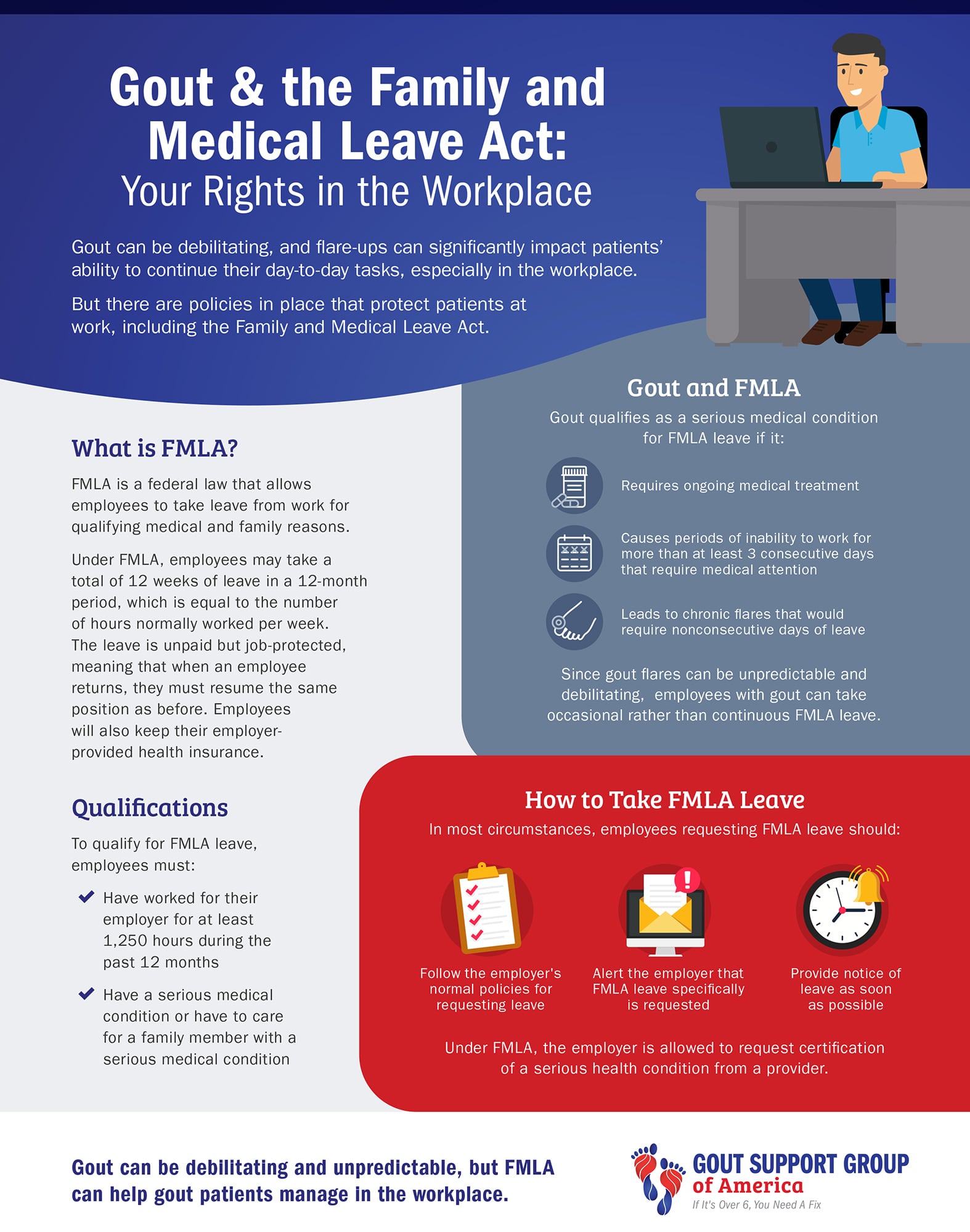

Don’t just learn about gout, start your gameplan
Our Gout Journey Roadmap walks you through exactly what to do based on where you are right now.
Clicking through resources is a great start, but when you’re ready for step-by-step support, the Roadmap is where things finally click.
Whether you’re unsure if it’s gout or trying to break the flare cycle, this expert-backed guide shows you what to do and why it matters, with zero fluff.
Just choose your phase and get a clear path forward.


