
October 16, 2026
Gout and menopause – why gout can start in midlife
Gout and menopause are closely linked.
A woman’s risk roughly doubles after menopause. Learn why it happens and what to do next.

For women gout can show up for the first time somewhere in your 50’s, and it’s usually a genuine surprise. Let’s be honest, we all kind of grew up hearing that gout was a man’s problem. Something that happened to older men after too much red meat and port. (Which is so wrong btw, but I digress – read here if you’re curious though) But when a joint suddenly swells up hot and red, gout is often the last think anyone thinks of, including doctors. But the link between gout and menopause is real, and unfortunately, more common than people realize.
Why do women get gout after menopause?
It comes down to estrogen, which was actually helping the whole time. Gout is caused by uric acid building up in your blood, until it forms tiny sharp crystals in a joint. Before menopause and perimenopause, estrogen helps your kidneys clear that uric acid out through your urine, keeping the levels low. And that protection is a big reason gout is more uncommon in younger women.
As estrogen falls, uric acid has an easier time building up, and the connection between estrogen and uric acid is really at the heart of why gout and menopause go together. And it can begin before you think of yourself as “in menopause.” Uric acid can start creeping up during perimenopause, years before your last period, which is why perimenopause and gout often overlap and the first flare can arrive while you’re still having periods. That timing makes the connection even easier to miss. After menopause, a woman’s risk of gout is roughly double what it was before, and later in life women actually catch up, and gout is as common in women as it is in men.
This isn’t something you did
The old food and lifestyle gout stigmas run deeeeeeeeeep. But gout showing up after menopause isn’t something you are doing, it’s another one of those *lovely* symptoms from hormonal changes. It isn’t caused by being too indulgent. Diet plays a much smaller role that the fairytales led us to believe, and no amount of carful eating fully makes up for that hormonal shift.
The good news about gout after menopause
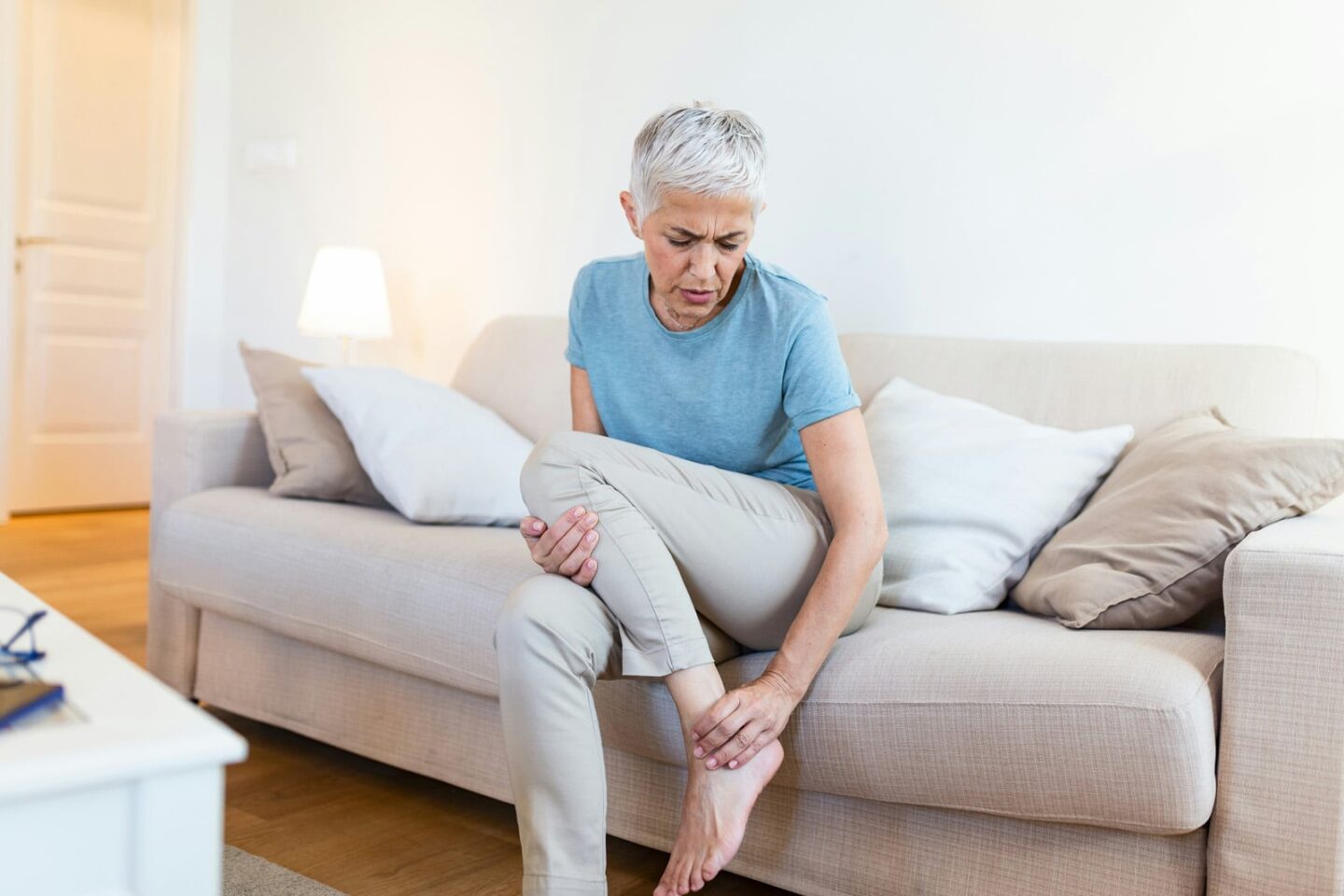
Gout is one of the most treatable forms of arthritis there is. I kinda wanna say that again. Gout is one of the most treatable forms of arthritis there is. The medicines that lower uric acid work just as well for women as for men, and once your level is brought down and kept there, (under 6.0 mg/dL) flares become rarer, and often stop altogether. Crystals that have already formed can even dissolve over time.
If you’ve had a flare or even think you might have, the real next step is a real conversation with your doctor, about checking your uric acid and whether a daily medicine makes sense for you. It’s a simple blood test, and it’s step one on our roadmap. Learn more here, about that step, and what comes after.
Featured
Articles
What other patients are reading next


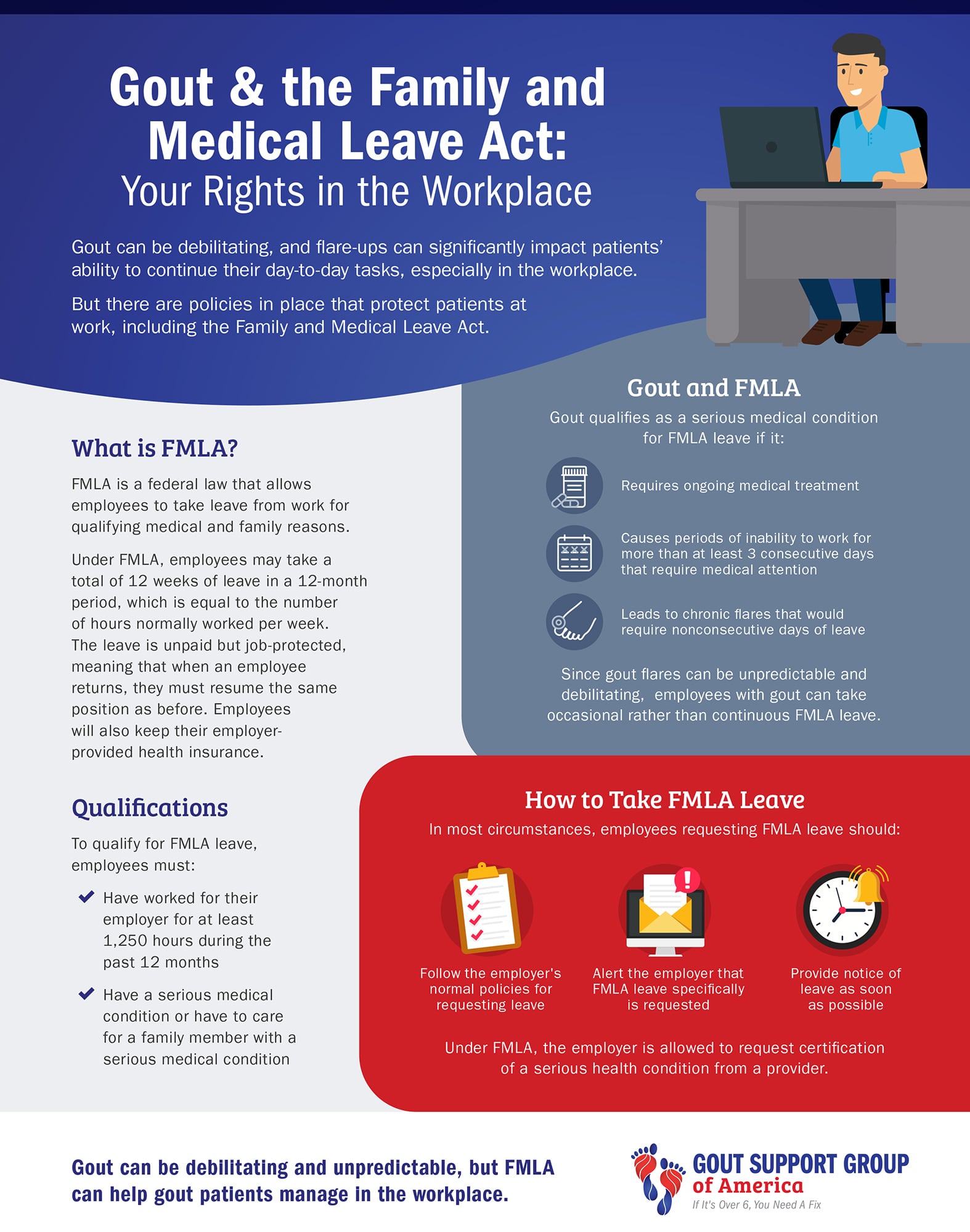

Don’t just learn about gout, start your gameplan
Our Gout Journey Roadmap walks you through exactly what to do based on where you are right now.
Clicking through resources is a great start, but when you’re ready for step-by-step support, the Roadmap is where things finally click.
Whether you’re unsure if it’s gout or trying to break the flare cycle, this expert-backed guide shows you what to do and why it matters, with zero fluff.
Just choose your phase and get a clear path forward.


